Why are you so afraid of the silence?
Discharging the urge to constantly stimulate your brain.
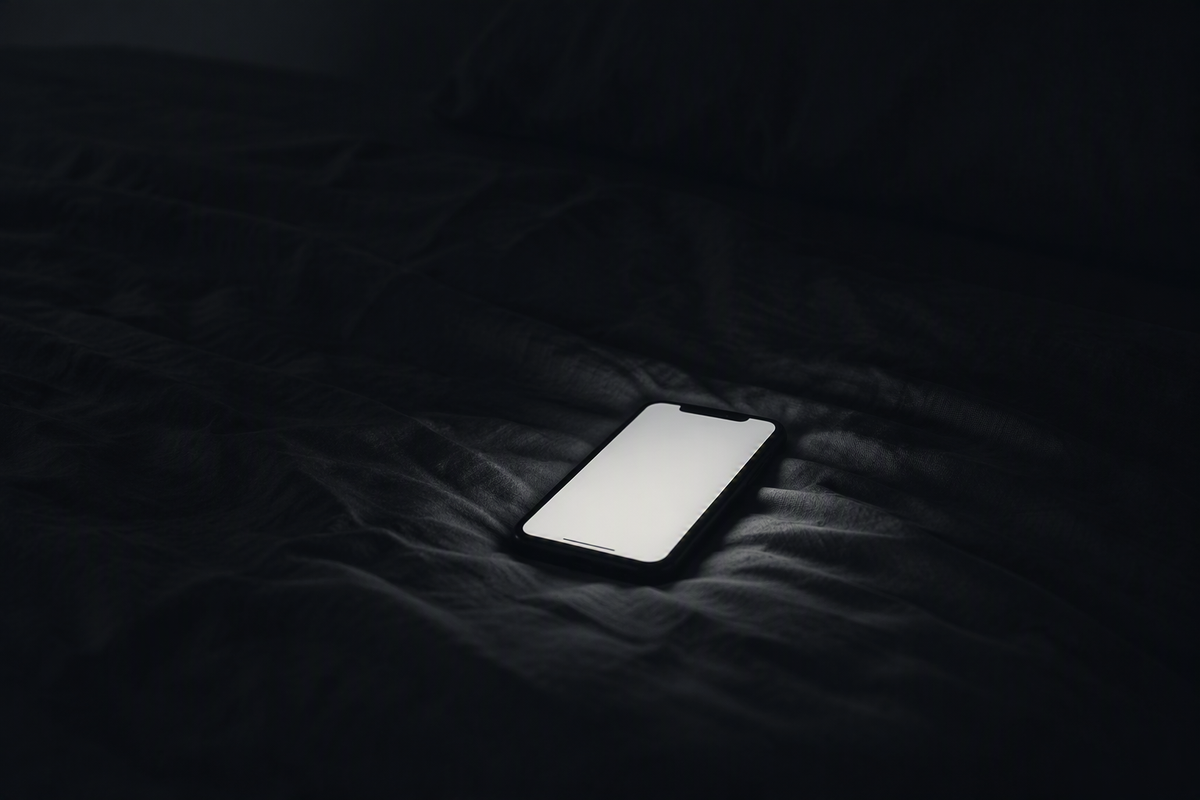
Some of you cannot walk to the corner bodega or wash a single dish in your sink without a podcast blasting in your ears, a playlist pumping in your blood, or a text thread open in your hand.
Definitely calling myself out here...I am not judging you.
I love having Bad Bunny or Heavy Metal protect my energy bubble when I’m on those NYC streets. Or cleaning to the right podcast. Or walking and listening to a fantastic audiobook.
But let’s admit something together:
Constant stimulation is often just a highly functional, socially acceptable way to avoid whatever is running around unresolved under our skin.
When you keep the noise level at an unceasing hum, you ensure a distraction that keeps you from noticing the clench in your jaw, or the constant hollow ache in your solar plexus. The stuff that you can comfortably ignore during the day, but will keep you up at night. Continuous doing—and continuous listening—makes you feel incredibly productive while quietly stealing your capacity to integrate/rest/restore.
That kind of low-level, but constant stimulation can negatively impact your nervous system.
I know I’m over-stimulated, particularly by sound when my ears physically hurt, my whole being starts to feel like a raw nerve and I lose my ability to focus. Those are signals that my brain and body need a break from that kind of constant information processing.
There's also a more insidious effect amid all the noise pollution: dominating our soundscape with so many outside voices makes it harder to recognize and hear our own.
It can become more difficult to hear your own thoughts or correctly sense signals your body is sending about a need that has to be met.
This phenomenon is not limited to sound stimulation. Feeling so disconnected from our bodies can also be the result of spending too much time looking at screens.
Ever have the experience of realizing that you're actually hungry or you have to pee, but you've been caught up in emails so you didn't even feel it? Which means you literally missed your body’s signals? Yeah, that.
Quiet is not a waste of time. It is how we integrate.
Robbing ourselves of that integration robs us of realizing what we need to care for ourselves. Quiet also provides a space for self-reflection. What have you recently lived through? What has changed you? What tools do you have now, because of that experience? It takes time and focus to ask and answer those questions.
One indeed does need to stop and smell the roses of one's own labor.
It's okay if solitude and silence make you uncomfortable. And that can change on a day-to-day basis. It's not something that needs to be fixed or a point of failure. It is simply an invitation to become more comfortable in one's own skin.
Witch Wisdom: If you cannot tolerate ninety seconds of stillness, your Magic will not have the space to expand.
So let’s start slowly.
Try two minutes of quiet a day this week. No podcast. No playlist. No scrolling. Just breath, body, and whatever starts telling the truth. Take note of what shifts.
This is our Integration Month practice: not more content, but more contact with ourselves.
This month, I’m opening the August Witch’s Salon to the whole community. We’ll practice tolerating quiet, tracking the body, and finding stillness without forcing ourselves into another performance.
Wednesday, 12, 8pm Eastern(60 minutes)
→ RSVP for the free August Stillness Salon here: https://smarterbodies.activehosted.com/f/32
The live Salon is free this month. The replay, Estrellita support, and future monthly Salons live inside the Alchemist Tier.
Waiting for you in the quiet dark,
Mel, The Body Witch
Still working with Estrellita? Try this prompt:
“Estrellita, I have an overwhelming urge to fill my current silence with digital stimulation or noise. Do not soothe me with fluff. Act as my relational mirror and give me a 3-minute Response protocol to track the exact physical sensation driving this avoidance loop.”